Since 2008, our boutique event planning company has had the honor of planning weddings and special events across the globe. We maintain a strong presence in New York City and we are so proud of our recent projects in New England. We welcome clients from Brooklyn, Boston and beyond.
explore by category:
from brooklyn to boston and beyond
weddings
events
personal
travel
food
Australians bet hard, and the numbers back it up – we lose more per adult than any other nation, which is why the design choices behind every pokie deserve a proper look. That habit shows up in busy pubs, at the TAB, and increasingly on phones during a long arvo.pokies near miss psychology sits right in the middle of that habit, shaping how often a player leans back in for one more spin.
Those same psychological triggers are now baked into the apps we carry in our pockets, making it harder than ever to step away. Industry leaders have started pushing for clearer warning labels and mandatory break prompts, as detailed in recent executive analysis. Until those safeguards become standard, the house edge will keep quietly stacking against everyday punters.
How the Near Miss Works on the Floor
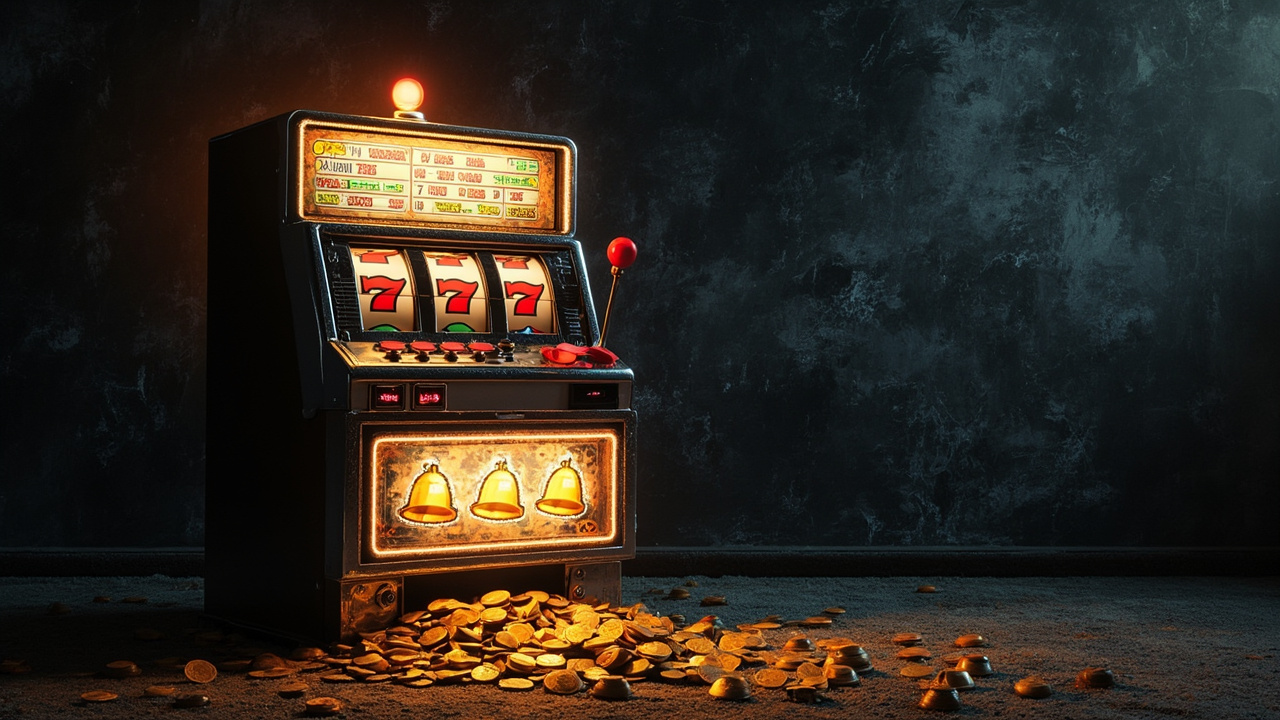
A near miss is the moment the symbols land one position off a win, and the brain reads it as progress rather than a loss. In land-based cabinets, that feeling is reinforced by the physical rhythm of the machine – the stop sequence, the light chase, the sound cue all landing together so the player feels the outcome was close. For real-money online products, the same principle travels into the software layer, where the visual and audio feedback is tuned so the missed combination still reads as a near thing, not a clean miss. Social casino versions strip out the cash element but keep the same feedback loop, which is why the pattern shows up across formats that otherwise have little in common. The trick for a designer is that the near miss never promises a payout, it only holds attention long enough for the next decision to feel worth making.
The maths behind that moment matters more than the graphics. A field bet in craps wins on several numbers on the very next roll, and the same logic of overlapping outcomes applies to how a pokie sequences near misses: several symbol positions can read as close to a line win even when the paytable says otherwise. That overlap is what keeps the session moving without tipping into obvious loss patterns. Lucas Hill, Lead Gaming Analyst, Koala Digital Group, puts it plainly: “The near miss is not a payout promise, it is a pacing tool, and treating it like one leads to bad session readouts.” For anyone building or auditing a product, the practical test is whether the near miss feels like a coin toss that went sideways, or like a machine that is holding something back.
What It Means for Players and Operators
For an ordinary Australian reader, the effect is easiest to spot on a Tuesday night at a Sydney pub, where a person sits down for a short session and comes back three spins later because the last one felt almost right. The near miss does not need to be frequent to work; it only needs to arrive at the right moment in the session, when fatigue or boredom would otherwise send the player packing. That is why responsible operators watch the pattern as part of session length and loss rate, not as a standalone feature. Lachlan Campbell, Head of Operator Partnerships, Murray River Gaming Research, notes the same point from the operator side: “If the near miss is driving session length rather than enjoyment, you have a design problem, not a feature.” The practical takeaway is that the pattern works best when it is one input among many, not the whole reason a player stays.
From a production angle, the same psychology has to travel cleanly across devices without losing its shape. A cabinet on the floor, a real-money online product, and a social title all need the near miss to read the same way, even though the payout mechanics and regulatory frames are different. Time zones matter here more than people expect: a product tuned for AEST can feel rushed or flat when played under AWST, and the three-hour gap between those markets is enough to change how a player reads the same spin. Cooper Stewart, Strategy Director, Federation Betting Insights, sums up the cross-market risk: “A near miss tuned in one market can feel aggressive or flat in another, and that is a localisation issue, not a graphics issue.” The fix is to test the same sequence across markets and devices, then adjust the timing and feedback rather than the paytable.
Reading the Pattern Without Chasing It
A player who understands the near miss can treat it as information instead of a signal to keep going. The useful habit is to notice whether the close call changes the session or just passes through – if it sends you back in, that is the design doing its job, and the sensible response is to decide in advance how long the seat stays warm. That is the everyday version of the same audit question operators ask: is the pattern creating enjoyment, or is it creating friction that feels like anticipation? The answer is usually visible in whether the player can walk away after a near miss without feeling short-changed.
That advance decision keeps the experience in the realm of choice rather than compulsion. When the machine is doing exactly what it was built to do, stepping away is not a loss but a boundary. Readers who want a steadier way to frame that pause can visit jammin-jars-au.com for a clearer perspective on the habits that hold up over time.
The practical example is simple: a person in Sydney puts ten dollars into a machine, sees two of three symbols line up on a payline, and feels the pull to re-enter. The honest read is that the symbols were close, the feedback was strong, and the next spin is still a fresh independent outcome – not a delayed win, not a machine that owes anything. A player who can separate the feeling from the maths is less likely to turn a short session into a long one on the back of a pattern that was never a promise.
Quick Answers
Is a near miss a sign a win is coming?
No. A near miss is a pattern in the feedback, not a signal about the next outcome. The symbols on the next spin are drawn independently, so a close call does not make a payout more likely. Treating it as a lead is the exact habit the design is built around, which is why it is worth noticing rather than following.
Does the same pattern work online and in a pub?
Broadly, yes, because the near miss is carried by timing, sound, and visual feedback rather than by the cabinet itself. The difference is in the frame around it: a land-based machine, a real-money online product, and a social title all present the same kind of close call, but the money, regulation, and session context are different. The pattern reads similarly; the responsible response depends on the product.
How should a player handle a run of near misses?
The useful move is to decide before the session how long у нас всё просто the seat stays warm and what a close call means to you. If a near miss keeps pulling you back, that is the pattern working as intended, and the sensible response is to step away rather than re-enter on the feeling. A short, pre-set limit is the plainest way to keep the pattern from deciding the session for you.Theage
as seen in


